
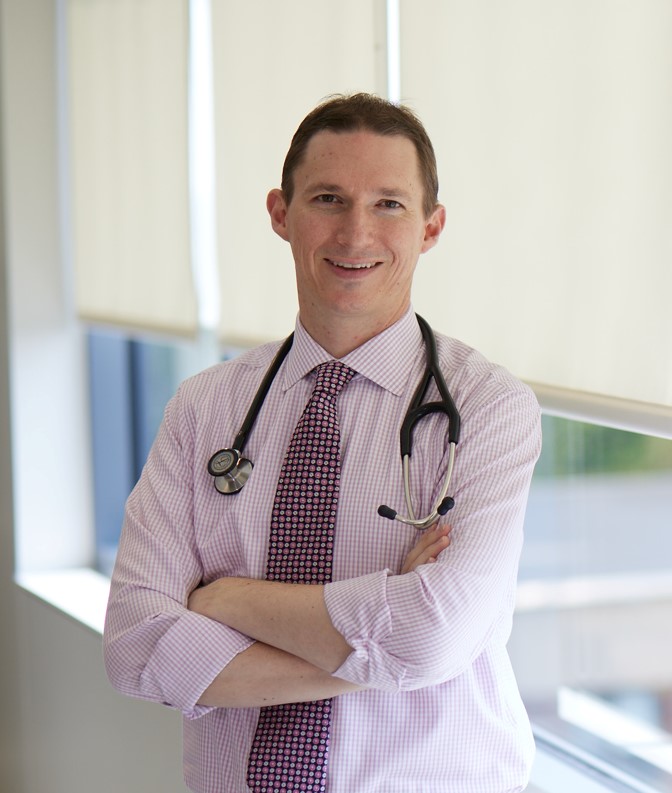
Jamin Morrison, MD, MBA
Head, Division of Hematology/Medical Oncology
MD Anderson Cancer Center at Cooper
Colorectal cancer, once viewed as being mostly diagnosed among middle-aged and older adults, is increasingly being diagnosed in younger adults. Research shows more people in their 20s, 30s, and 40s are being diagnosed with colon cancer, with incidence rising steadily over the past three decades. Additionally, two-thirds of the younger patients are diagnosed in Stage III and IV – more advanced stages of the disease.
Deaths from colon cancer are on the rise too, with a recent study finding colorectal cancer is now the leading cause of cancer-related deaths in men – and second in women under age 50.
Experts emphasize that this trend may result from multiple factors, including diet (high ultra-processed foods and processed meats, lower fiber intake), obesity, and lifestyle. Smoking and heavy alcohol use remain risk factors, and a family history or genetic conditions like Lynch syndrome, along with inflammatory bowel diseases, can raise risk.
While researchers don’t completely understand why colorectal cancer is rising among younger adults, the message is clear: early onset colorectal cancer is real, and awareness is essential. Taking action now can help catch cancer earlier or reduce risk.
Here’s what you can do:
- If you are 45 or older get a screening colonoscopy. A colonoscopy is widely regarded as the gold standard for colorectal cancer screening because it’s the only test that can both detect and remove precancerous polyps in one highly accurate procedure—significantly lowering cancer risk and mortality. Unlike stool-based tests, which only identify possible signs of existing cancer, a colonoscopy allows doctors to directly examine the entire colon. For people at average risk, a colonoscopy needs to be done only once every 10 years.
- Review your personal and family history: If you have a first-degree relative (mother, father, sibling) who has been diagnosed with colorectal cancer you should start screening earlier by age 40 or 10 years before your family member’s age at diagnosis.
If you have a family history of colorectal cancer may want to consider an appointment with a cancer genetic counselor. MD Anderson at Cooper has the region’s largest and most experienced cancer genetics team. The William G. Rohrer Cancer Genetics Program offers counseling and genetic screening services at convenient locations throughout South Jersey.
- Know the signs: persistent changes in bowel habits, blood in stool, abdominal pain, unexplained weight loss, and fatigue warrant evaluation.
- Consider risk-reducing steps: maintain a balanced diet rich in fiber, limit ultra-processed foods and processed meats, stay physically active, avoid smoking, and limit alcohol. If you’re younger but worried, talk to your provider about personalized screening plans.
Advanced care for patients with colon and rectal cancers.
Colorectal cancer is a complex disease and often requires a multidisciplinary approach to treatment – including surgery to remove the tumor, often combined with chemotherapy, radiation, and targeted therapies based on the cancer’s stage.
At MD Anderson at Cooper we take a team approach to cancer care. Our gastrointestinal cancer team works together to develop a personalized treatment plan for each patient.
Our Rectal Cancer Program was the first in New Jersey to be accredited as a National Accreditation Program for Rectal Cancer (NAPRC). NAPRC accreditation is awarded by the American College of Surgeons Commission on Cancer to rectal cancer programs that take a multidisciplinary team approach to care and meet exacting standards for continuous quality improvement, evidence-based treatment, and surgical expertise. Programs seeking this prestigious recognition undergo a rigorous evaluation and review of their performance and compliance with NAPRC Standards.