
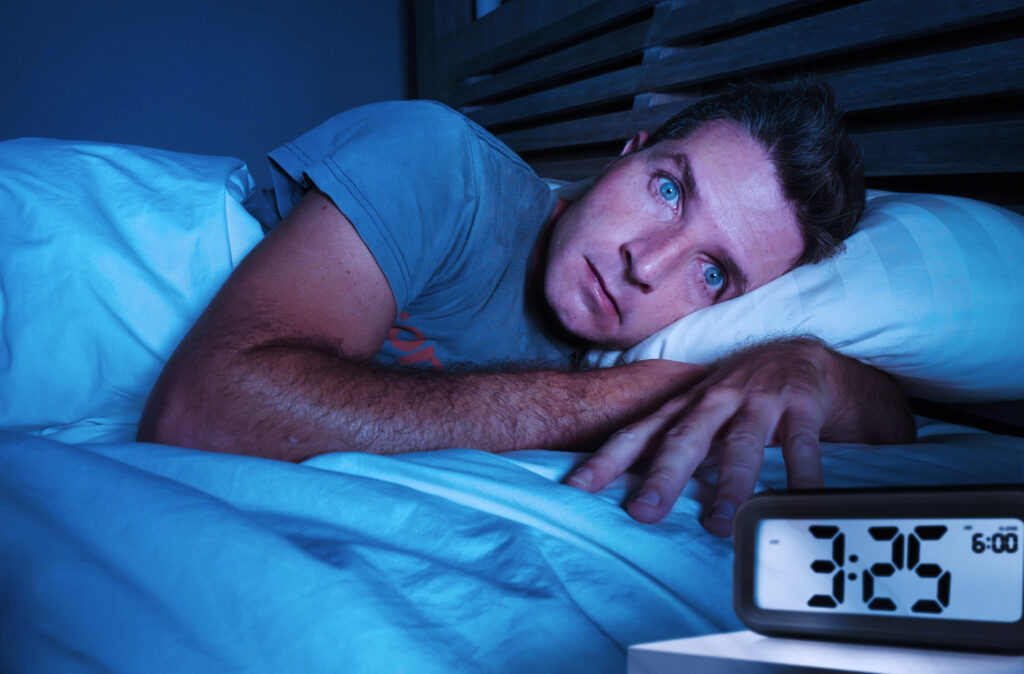
You wake up, glance at the clock, and there it is again: 3:25 a.m.
Para leer en Español, por favor haga clic aquí
For many people, waking up in the middle of the night is more than an occasional annoyance. It’s a pattern. While a restless night every now and then is normal, waking up at the same time night after night may be your body’s way of signaling that something is disrupting your sleep.
“The good news is that many causes of nighttime awakenings are treatable,” says Mira Mandal, MD, a pulmonologist at Cooper University Health Care. “Understanding what’s disrupting your sleep is the first step toward getting a better night’s rest and improving your overall health.”
Why Sleep Matters
One in three adults in the United States don’t get the recommended seven to nine hours of sleep. While feeling tired the next day is an obvious consequence, consistently getting too little sleep has been linked to an increased risk of:
- Heart disease and high blood pressure
- Obesity
- Type 2 diabetes
- Anxiety and depression
- A weakened immune system
What’s Waking You Up?
Sleep is regulated by a complex interaction of hormones, your body’s internal clock, lifestyle habits, and underlying health conditions. When one or more of these factors is disrupted, it can lead to repeated nighttime awakenings. Here are some of the most common causes – and what you can do about them.
1.) Your Internal Body Clock
Your body follows a natural 24-hour sleep-wake cycle known as the circadian rhythm. As morning approaches, your body naturally begins producing more cortisol, a hormone that helps you wake up and feel alert.
If you’re under chronic stress, have an inconsistent sleep schedule, or aren’t getting enough sleep, that normal rise in cortisol may cause you to wake up earlier than intended. It also makes it difficult to fall back asleep.
Sleep tip: Go to bed and wake up at the same time every day, even on weekends. A consistent sleep schedule, combined with early morning daylight exposure, helps reinforce your body’s natural circadian rhythm.
2.) Blood Sugar Changes
Your blood sugar naturally fluctuates while you sleep. In some people, particularly those with diabetes or prediabetes, blood sugar may drop overnight. When that happens, your body releases hormones like adrenaline and cortisol to raise blood sugar levels, which can wake you up.
Eating a large sugary meal or drinking alcohol before bed may also contribute to blood sugar fluctuations during the night.
Sleep tip: If you have diabetes or experience frequent nighttime awakenings along with symptoms such as sweating, shakiness, or a racing heartbeat, discuss your symptoms with your health care team.
3.) Alcohol and Caffeine
That evening glass of wine may help you fall asleep faster, but it can interfere with the quality of your sleep later in the night. Alcohol suppresses REM sleep, which is the stage associated with dreaming, memory, and emotional processing. This often leads to more fragmented sleep as the night goes on.
Caffeine can also linger in your system much longer than many people realize. Depending on the individual, its effects may last six hours or more, making it harder to fall asleep and stay asleep.
Sleep tip: Avoid caffeine late in the afternoon and evening, and limit alcohol close to bedtime.
4.) Sleep Apnea
Obstructive sleep apnea is one of the most common, and most underdiagnosed, causes of poor sleep. It occurs when the muscles in the back of the throat relax during sleep, causing the airway to become partially or completely blocked. These repeated pauses in breathing can cause you to briefly wake up dozens, or even hundreds, of times each night – often without realizing it.
“Many people think loud snoring is the only sign of sleep apnea, but that’s not the case,” Dr. Mandal says. “Frequent nighttime awakenings, waking up gasping for air, excessive daytime sleepiness, morning headaches, and even waking up multiple times to use the bathroom can all be signs of an underlying sleep disorder.”
Sleep tip: If you snore loudly, wake up feeling unrefreshed, experience excessive daytime fatigue, or frequently wake up during the night, talk with your doctor. Sleep apnea is highly treatable.
5.) Stress and Anxiety
Stress doesn’t stop just because you’ve fallen asleep. Worry, racing thoughts, work pressures, financial concerns, or family responsibilities can keep your brain in a heightened state of alertness, making it easier to wake up during the night.
Sleep tip: Develop a relaxing bedtime routine. Reading, deep breathing, prayer, meditation, gentle stretching, or journaling can help calm your mind before bed. Disconnect from screens, which can cause unwanted mental stimulation. If stress or anxiety is regularly interfering with your sleep, talk with your primary care professional.
6.) Hormonal Changes
Hormones play an important role in regulating sleep. During perimenopause and menopause, changing estrogen and progesterone levels can trigger hot flashes, night sweats, and nighttime awakenings that interfere with restorative sleep.
“Sleep disturbances related to hormonal changes are very common, especially during midlife,” Dr. Mandal says. “The good news is that effective treatments are available, so it’s important to talk with your doctor if these symptoms are affecting your quality of life.”
Sleep tip: Keep your bedroom cool, wear lightweight sleepwear, and avoid alcohol before bed, which can worsen hot flashes and night sweats.
Better Sleep Starts with Better Habits
While not every cause of waking at 3 a.m. can be prevented, healthy sleep habits can make a difference. Here are a few tips that everyone can follow for a lifetime of healthy sleep.
- Keep a consistent bedtime and wake-up time.
- Turn off phones, tablets, and televisions 30 to 60 minutes before bedtime.
- Keep your bedroom cool, dark, and quiet.
- Avoid large meals, alcohol, and caffeine close to bedtime.
- Get checked for sleep apnea if you experience symptoms.
“Don’t assume that frequent nighttime awakenings are just something you have to live with,” Dr. Mandal says. “Whether the cause is stress, hormonal changes, sleep apnea, or another medical condition, many sleep problems can be improved with lifestyle changes or appropriate treatment.”
If you’re struggling with chronic sleep problems, talk with your primary care professional. If needed, they can help determine whether you should be evaluated by a sleep medicine specialist. Call 800.8.COOPER (800.826.6737) or make an appointment online with a primary care professional.
¿Te despiertas a las 3 a. m.? Esta podría ser la razón.
Te despiertas, miras el reloj y ahí está de nuevo: las 3:25 a. m.
Para muchas personas, despertarse en mitad de la noche es más que una molestia ocasional. Es un patrón. Si bien tener una noche de sueño inquieto de vez en cuando es normal, despertarse a la misma hora noche tras noche puede ser la forma que tiene tu cuerpo de indicar que algo está interrumpiendo tu sueño.
“La buena noticia es que muchas de las causas de los despertares nocturnos tienen tratamiento”, afirma la Mira Mandal, MD, neumóloga de Cooper University Health Care. “Comprender qué está interrumpiendo tu sueño es el primer paso para descansar mejor por la noche y mejorar tu salud general”.
Por qué es importante dormir
Uno de cada tres adultos en Estados Unidos no duerme las siete a nueve horas recomendadas. Si bien sentirse cansado al día siguiente es una consecuencia evidente, dormir muy poco de forma constante se ha relacionado con un mayor riesgo de:
- Enfermedades cardíacas y presión arterial alta
- Obesidad
- Diabetes tipo 2
- Ansiedad y depresión
- Un sistema inmunológico debilitado
¿Qué te está despertando?
Sleep is regulated by a complex interaction of hormones, your body’s internal clock, lifestyle habits, and underlying health conditions. When one or more of these factors is disrupted, it can lead to repeated nighttime awakenings. Here are some of the most common causes – and what you can do about them.
1.) Tu reloj biológico interno
Tu cuerpo sigue un ciclo natural de sueño-vigilia de 24 horas conocido como ritmo circadiano. Al acercarse la mañana, tu cuerpo comienza a producir naturalmente más cortisol, una hormona que te ayuda a despertar y a sentirte alerta.
Si sufres estrés crónico, tienes un horario de sueño irregular o no duermes lo suficiente, ese aumento normal de cortisol puede hacer que te despiertes antes de lo previsto. También dificulta volver a conciliar el sueño.
Consejo para dormir: Acuéstate y levántate a la misma hora todos los días, incluso los fines de semana. Mantener un horario de sueño constante, junto con la exposición a la luz natural a primera hora de la mañana, ayuda a reforzar el ritmo circadiano natural de tu cuerpo.
2.) Cambios en el azúcar en sangre
Su nivel de azúcar en la sangre fluctúa naturalmente mientras duerme. En algunas personas, especialmente aquellas con diabetes o prediabetes, el nivel de azúcar en la sangre puede bajar de la noche a la mañana. Cuando eso sucede, su cuerpo libera hormonas como la adrenalina y el cortisol para elevar los niveles de azúcar en sangre, lo que puede despertarlo.
Comer una gran comida azucarada o beber alcohol antes de acostarse también puede contribuir a las fluctuaciones del azúcar en sangre durante la noche.
Consejo para dormir: si tiene diabetes o experimenta despertares nocturnos frecuentes junto con síntomas como sudoración, temblores o latidos cardíacos acelerados, comente sus síntomas con su equipo de atención médica.
3.) Alcohol y cafeína
Esa copa de vino vespertina puede ayudarte a conciliar el sueño más rápido, pero puede interferir con la calidad del mismo más adelante en la noche. El alcohol inhibe la fase REM, que es la etapa asociada con los sueños, la memoria y el procesamiento emocional. Esto suele provocar un sueño más fragmentado a medida que avanza la noche.
La cafeína también puede permanecer en el organismo mucho más tiempo del que mucha gente cree. Dependiendo de la persona, sus efectos pueden durar seis horas o más, lo que dificulta conciliar el sueño y mantenerlo.
Consejo para dormir: Evita la cafeína a última hora de la tarde y por la noche, y limita el consumo de alcohol cerca de la hora de acostarte.
4.) Apnea del sueño
La apnea obstructiva del sueño es una de las causas más comunes —y más infragnosticadas— de una mala calidad del sueño. Ocurre cuando los músculos de la parte posterior de la garganta se relajan durante el sueño, provocando una obstrucción parcial o total de las vías respiratorias. Estas pausas recurrentes en la respiración pueden hacer que usted se despierte brevemente decenas o incluso cientos de veces cada noche, a menudo sin darse cuenta.
“Muchas personas creen que los ronquidos fuertes son el único signo de apnea del sueño, pero no es así,” afirma el Dr. Mandal. “Los despertares nocturnos frecuentes, despertarse jadeando en busca de aire, la somnolencia diurna excesiva, los dolores de cabeza matutinos e incluso despertarse varias veces para ir al baño pueden ser señales de un trastorno del sueño subyacente.”
Consejo para dormir mejor: Si ronca fuerte, se despierta sin sentirse descansado, experimenta fatiga diurna excesiva o se despierta con frecuencia durante la noche, consulte a su médico. La apnea del sueño es una afección que se puede tratar eficazmente.
5.) Estrés y ansiedad
El estrés no desaparece simplemente porque te hayas quedado dormido. Las preocupaciones, los pensamientos acelerados, las presiones laborales, los problemas económicos o las responsabilidades familiares pueden mantener tu cerebro en un estado de alerta elevada, facilitando que te despiertes durante la noche.
Consejo para dormir: Establece una rutina relajante antes de dormir. Leer, practicar la respiración profunda, orar, meditar, hacer estiramientos suaves o escribir en un diario puede ayudar a calmar tu mente antes de acostarte. Desconéctate de las pantallas, ya que pueden provocar una estimulación mental no deseada. Si el estrés o la ansiedad interfieren habitualmente con tu sueño, consulta a tu profesional de atención médica.
6.) Cambios hormonales
Las hormonas desempeñan un papel importante en la regulación del sueño. Durante la perimenopausia y la menopausia, las fluctuaciones en los niveles de estrógeno y progesterona pueden provocar sofocos, sudores nocturnos y despertares durante la noche que interfieren con un sueño reparador.
“Los trastornos del sueño relacionados con los cambios hormonales son muy frecuentes, especialmente en la mediana edad,” afirma el Dr. Mandal. “La buena noticia es que existen tratamientos eficaces, por lo que es importante consultar al médico si estos síntomas afectan a su calidad de vida.”
Consejo para dormir: Mantenga el dormitorio fresco, use ropa de dormir ligera y evite el alcohol antes de acostarse, ya que puede agravar los sofocos y los sudores nocturnos.
Un mejor sueño comienza con mejores hábitos
Si bien no todas las causas de despertarse a las 3 a. m. se pueden prevenir, unos hábitos de sueño saludables pueden marcar la diferencia. Aquí tiene algunos consejos que cualquiera puede seguir para disfrutar de un sueño saludable durante toda la vida.
- Mantén un horario constante para acostarte y levantarte.
- Apaga los teléfonos, las tabletas y los televisores entre 30 y 60 minutos antes de acostarte.
- Mantén tu dormitorio fresco, oscuro y silencioso.
- Evita las comidas copiosas, el alcohol y la cafeína poco antes de acostarte.
- Hazte revisar para detectar apnea del sueño si presentas síntomas.
“No asuma que los despertares nocturnos frecuentes son algo con lo que simplemente tiene que vivir,” afirma el Dr. Mandal. “Ya sea que la causa sea el estrés, los cambios hormonales, la apnea del sueño u otra afección médica, muchos problemas de sueño pueden mejorar con cambios en el estilo de vida o el tratamiento adecuado.”
Si tiene problemas crónicos de sueño, consulte a su profesional de atención primaria. De ser necesario, este podrá ayudarle a determinar si debe ser evaluado por un especialista en medicina del sueño. Llame al 800.8.COOPER (800.826.6737) o programe una cita en línea con un profesional de atención primaria.