Are You at Risk for Heart Failure?

Heart failure is not a heart attack

“While some of the symptoms of heart failure may be similar to those of a heart attack, they are not the same,” says Ketan Gala, MD, FACC, Medical Director of the Advanced Heart Failure program at Cooper University Health Care and member provider of Cooper and Inspira Cardiac Care.

Heart attacks occur when the heart’s blood supply is blocked, usually by a build-up of plaque in the arteries, which causes damage to the heart muscle. Read more.

Cooper University Health Care recognized by American Medical Association for promoting well-being of health care workers

Cooper University Health Care is one of only 28 health systems nationwide to earn the 2022 American Medical Association Joy in Medicine™ Health System Recognition. The AMA distinction is granted only to those organizations that demonstrate a commitment to preserving the well-being of clinical care team members by engaging in proven efforts to combat work-related stress and burnout.

“This recognition highlights Cooper’s belief that supporting our medical providers and other team members is essential to our mission to serve, to heal, to educate,” said Eric Kupersmith, MD, SFHM, senior vice president and chief physician executive at Cooper. Read more.

National Metastatic Breast Cancer Awareness Day

Today, October 13, is National Metastatic Breast Cancer Awareness Day, bringing attention to the unique needs of women and men living with metastatic, or stage IV, breast cancer. It’s also a chance to celebrate the strength and resilience of our metastatic patients.

It is estimated that 287,8500 Americans will be diagnosed with breast cancer this year. About 6% of breast cancer diagnoses are metastatic. Read more.

Study by Cooper University Health Care Stroke Expert Published  in The New England Journal of Medicine Found that Minimally Invasive Procedure Is an Effective Treatment for Rare and Complex Strokes

Internationally known stroke expert Tudor Jovin, MD, medical director of the Cooper Neurological Institute at Cooper University Health Care and professor of neurology and neurological surgery at Cooper Medical School of Rowan University, is co-principal investigator and lead author of a study published today in The New England Journal of Medicine, one of the world’s leading medical journals. Read more.

Cooper Recognizes National Coming Out Day

By Ryan Kirker, PA-C, Physician Assistant
Cooper Care Alliance and Cooper Center for LGBTQ+ Health

Today is National Coming Out Day (NCOD), and Cooper is proud to join in celebrating our lesbian, gay, bisexual, transgender, and queer+ voices. NCOD first originated back in 1988 by two queer activists, Robert Eichberg and Jean O’Leary who recognized the importance of power in visibility. Read more.

Celebrating National Physician Assistant Week

National Physician Assistant Week takes place every year from October 6 through October 12. Physician assistants (PAs) are vital members of the team of professionals who treat patients in today’s complex health care setting. With thousands of hours of medical training, PAs are versatile and collaborative while providing high-quality, safe patient care in both inpatient and outpatient settings.

At Cooper, our PAs are a vital part of our clinical team and perform many essential duties, including:

  • Taking medical histories
  • Conducting physical exams
  • Diagnosing and treating illnesses
  • Ordering and interpreting tests
  • Developing treatment plans
  • Prescribing medications
  • Counseling on preventive care
  • Performing procedures
  • Assisting in surgeries
  • Making rounds in hospitals and nursing homes
  • Conducting clinical research

Cooper is proud to have more than 100 PAs represented throughout the organization in both the ambulatory and hospital settings and in specialty areas including, but not limited to, Primary Care, Hospital Medicine, Critical Care, Emergency Department, Pediatrics, Neurology, Cardiology, Surgical Services, Orthopedics, Addiction Medicine, and MD Anderson Cancer Center at Cooper. Read more.

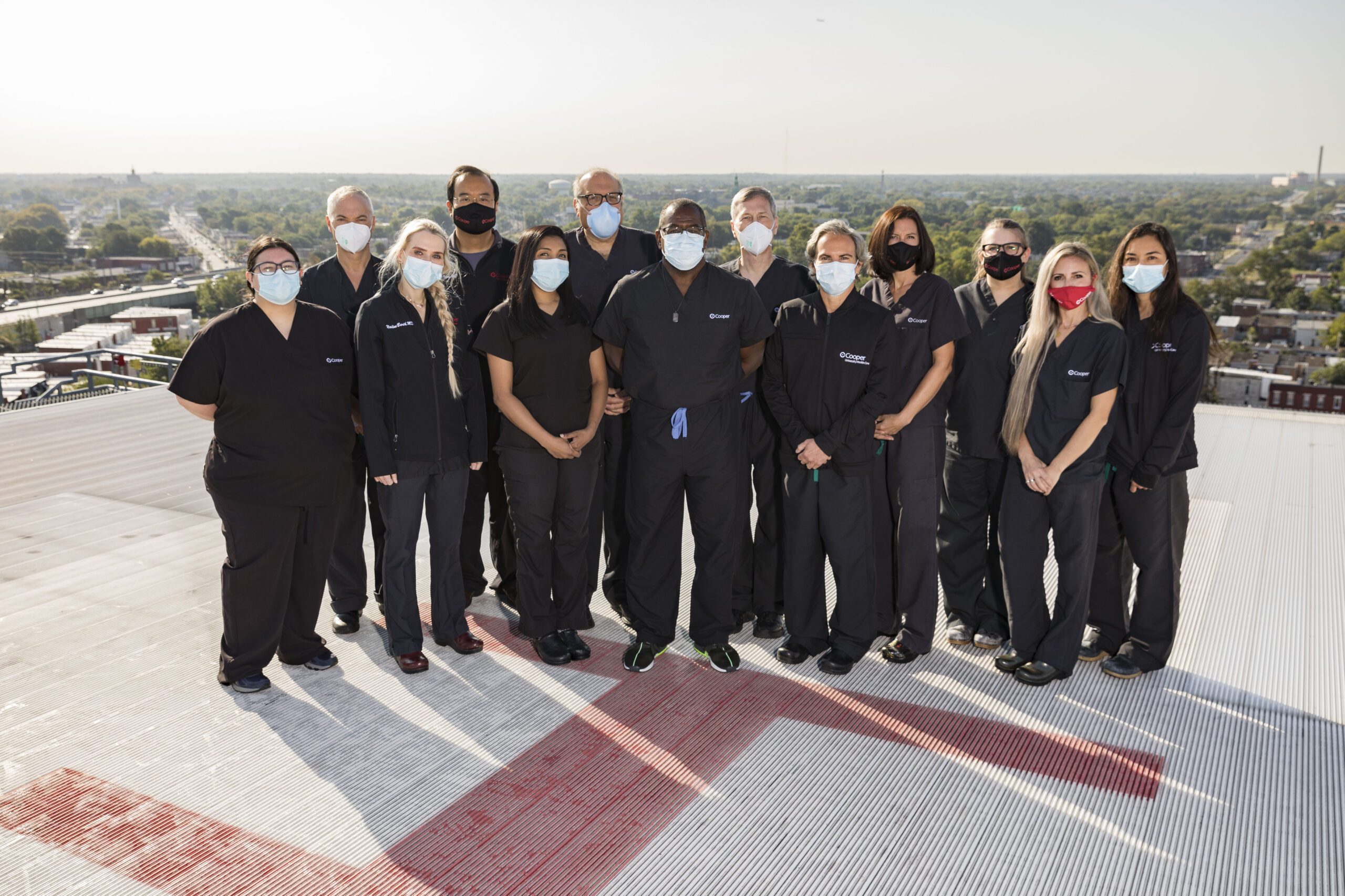
Cooper University Health Care Critical Care Team Earns National Honor For Excellence in Life Support

The Center for Critical Care Medicine at Cooper University Health Care has received national recognition for its outstanding extracorporeal membrane oxygenation (ECMO) program, an advanced lifesaving system used for critically ill patients. The Cooper team was named a Silver Level Center on the Path to Excellence in Life Support program by the Extracorporeal Life Support Organization (ELSO).

The Excellence in Life Support Award recognizes centers that demonstrate an exceptional commitment to evidence-based processes and quality measures, staff training and continuing education, patient satisfaction, and ongoing clinical care. Read more.

Volunteers Needed for Cooper Norcross Run the Bridge

The Cooper Norcross 10K Bridge Run and two-mile walk is an exciting, regional event that raises money for the Larc School in Bellmawr, NJ. In addition to providing an opportunity to run atop the Ben Franklin Bridge with great views of the Delaware River, Camden, and Philadelphia, the event supports children with special needs. We encourage you to run, walk, or volunteer for this great race. Read more.

Cooper University Health Care Earns Star Performer Recognition, Leading the Way in Post-Fracture Patient Care, Year after Year

Cooper University Health Care is proud to announce that it has received 2022-2023 Star Performer recognition from the American Orthopaedic Association’s (AOA) Own the Bone® program, for the sixth year in a row. Cooper is one of approximately 280 health care institutions nationwide that have joined Own the Bone and taken initiatives to ensure their osteoporotic fracture patients receive the highest level of treatment and care. Read more.

September is Fall Prevention Month: Tips for Adults and Children

September is Fall Prevention Awareness Month and fall prevention is for EVERYONE! The Centers for Disease Control (CDC) identifies that falls are the leading cause of non-fatal, unintentional injuries in children under the age of 9 and over the age of 24. Learn ways to keep yourself and your children safe!

Be SMART adults:

Safe home – decrease fall risk hazards

Medication – know what you take, why you take it, and side effects of medications

Activity – Exercise to increase balance, mobility, and strength

Routine – eye exams, hearing exams, and good nutrition

Talk to your healthcare provider – communicate concerns, discuss risks, & resources available


SPOT your children:

Secure children in high chairs, shopping carts, changing tables, strollers, etc. Read more.